鲜花( 8)  鸡蛋( 0)
|
How Can I Get Rid of or Prevent Asbestos in My Home?
" n* E% u# F; y+ P* `7 {6 H2 a$ ~4 J. `" i& r
Surprisingly, the U.S. has yet to ban asbestos. Although less commonly used today, asbestos is still present in some home and automotive materials./ ^2 u8 a% B4 w
7 k R0 Z! j9 J3 L
Avoid materials with asbestos. The best way to prevent asbestos is to avoid using materials that may potentially contain it.
7 h3 U* M# f x+ x, B' jKeep materials in good condition. Depending on when your home was built, it may already contain asbestos. The only way to prevent the fibers from releasing into the air is to keep the materials in good condition or to remove and replace them.5 b F9 {0 s% c0 o0 Q
' Q( f% H$ P9 d" L. N+ [+ |
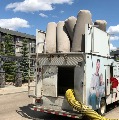
There are a few asbestos removal options available — depending on its location, condition, and whether or not it’s friable.
( Y; m8 V& `$ _8 g& E" v, ~0 J* s. \
---Hire a professional. Regardless of how much or where the asbestos is, hire a professional to make sure it is removed properly and to avoid releasing fibers into the air. A professional who is certified to conduct asbestos abatement work will have the right supplies and tools, including a HEPA vacuum and respirators, to keep your home safe., s+ j% `; F3 I" U
---Contact your local EPA office or health department. The department should be able to help you find a professional who has completed a government-approved asbestos safety course.
1 Y9 o1 g! g/ d3 O6 T6 @$ c) X---Test the air. You likely will not want to live in your home during this process, but make sure to have air samples tested once the removal is complete to ensure asbestos fibers were not released. |
|






















 狗仔卡
狗仔卡
 发表于 2016-9-24 08:46

 提升卡
提升卡 置顶卡
置顶卡 沉默卡
沉默卡 喧嚣卡
喧嚣卡 变色卡
变色卡 显身卡
显身卡


 楼主
楼主